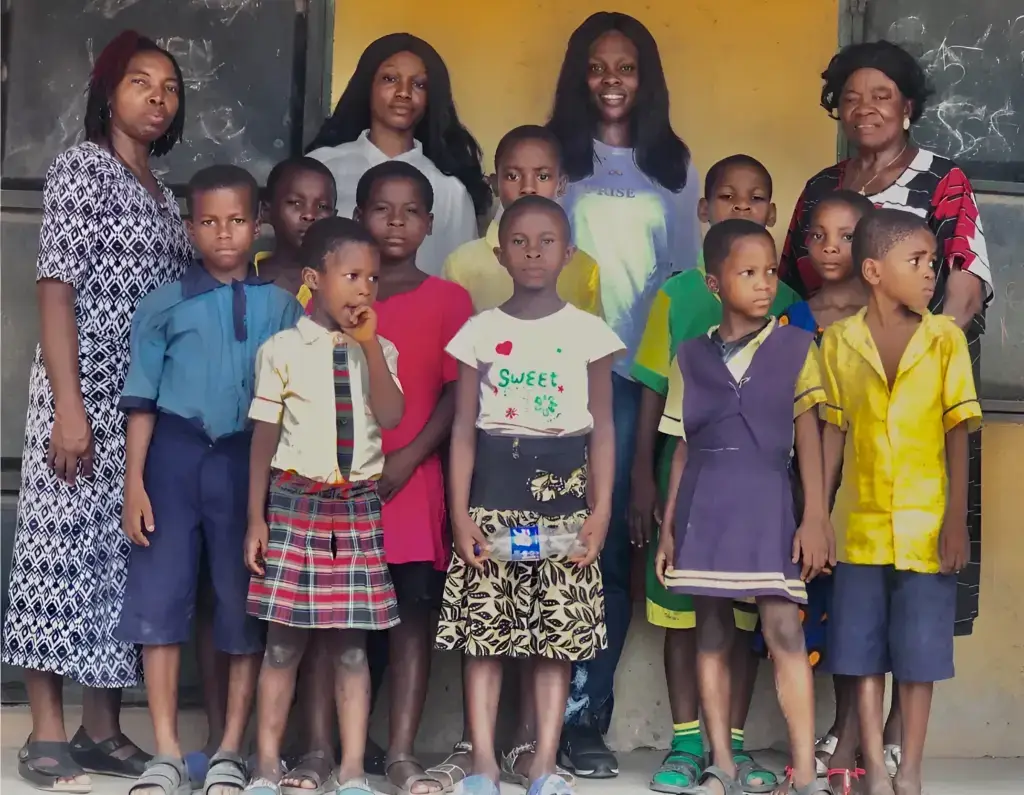


Web3 and the metaverse are such abstract concepts to someone sitting in a rural village in the heart of Africa. How does this technology impact the lives of girls and women in one of the poorest regions in the world?
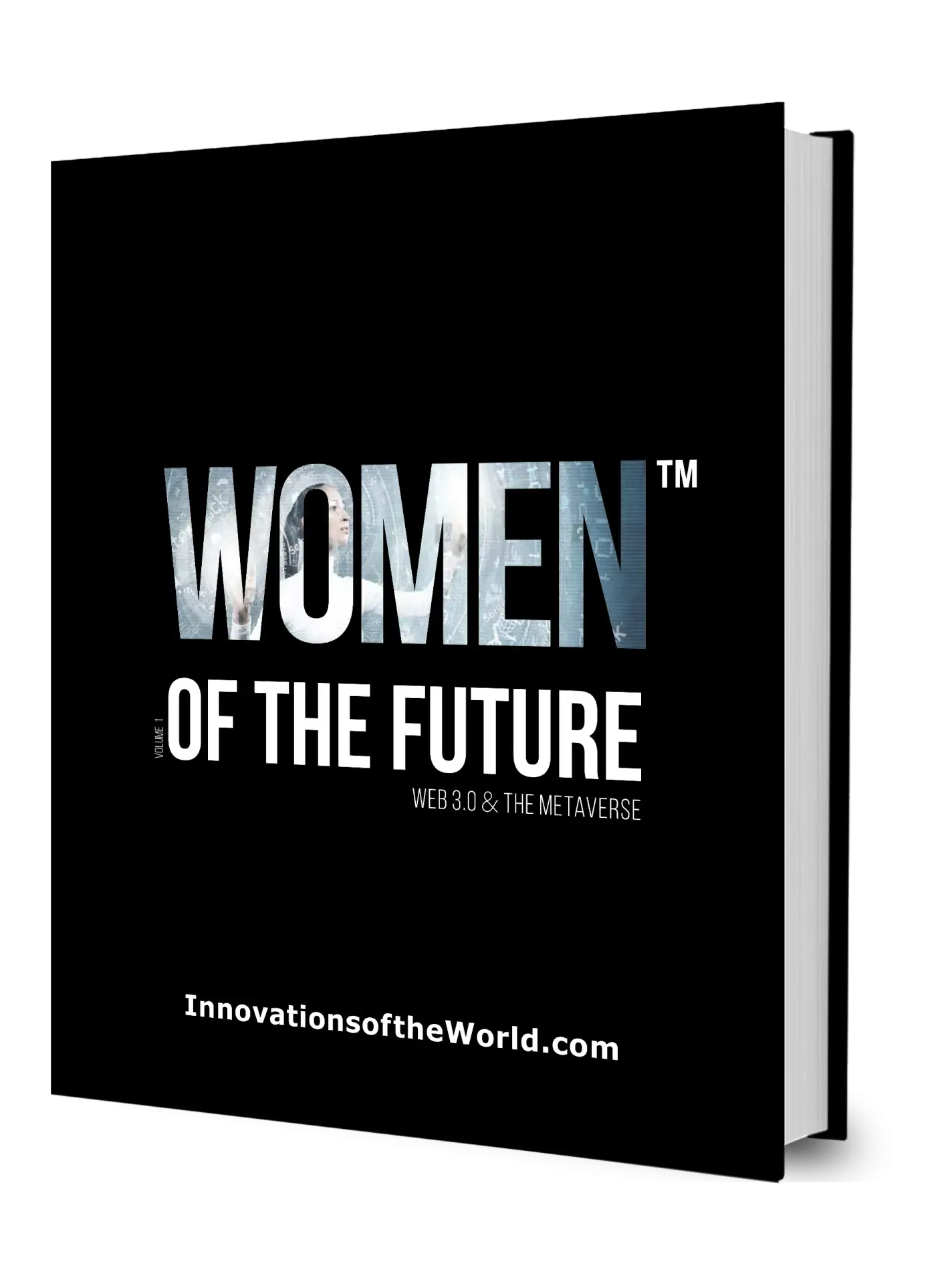
The Women of the Future project showcases the extraordinary work of the top 100 women in this space to shift the paradigm for women – and the world. Profound social change, financial opportunity, gender equity, and more: imagine the impact of those on girls and women in Nigeria. It would revolutionize how they worked and interacted and their lives, communities, and country.
The power of web3 lies in its decentralization. Social disruption. That is precisely what’s needed in Nigeria (and many other parts of the world), and blockchain innovation inspires this digital revolution with a grassroots impact.
Nigeria is ranked 123rd of 146 countries on the 2022 Global Gender Gap Index, which measures countries’ access to resources and opportunities. This translates into Nigerian women earning an average of 45% less than Nigerian men. Gender gaps in the Nigerian economy are not the only obstacle women face when trying to reach their full potential. Girls account for 60% of the country’s 10 million out of-school children, meeting challenges such as child marriage, poverty, and discriminatory social norms. Nigeria has the largest number of people living in extreme poverty in the world – that’s nearly 50% of its population.
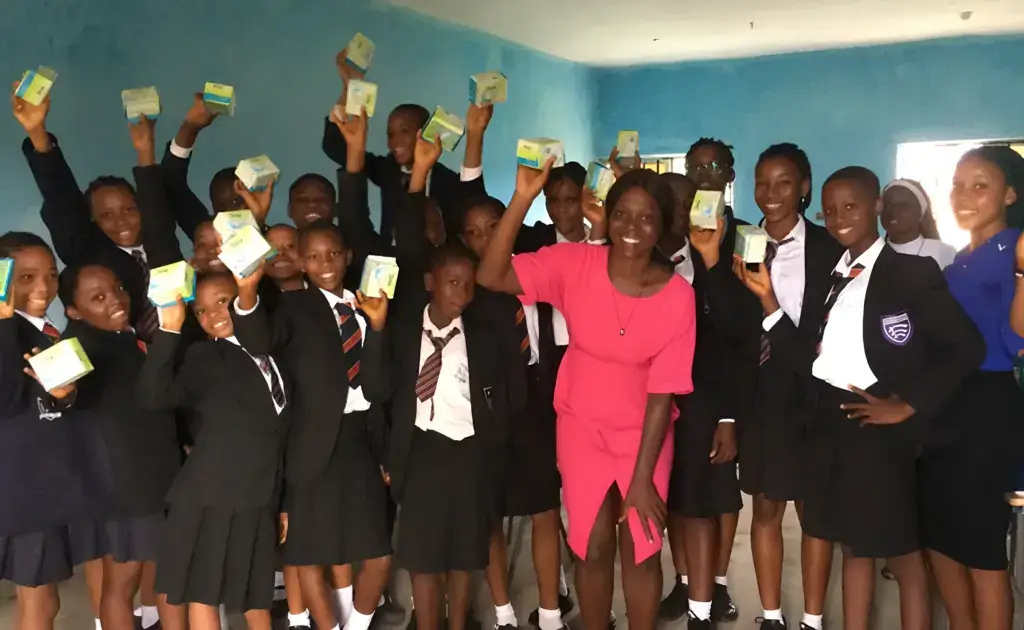
Challenges breed opportunities. The Judy Women Empowerment and Development Initiative (JUWEDI) is founded to empower and grow confident, resilient, tech-savvy and financially independent women in Nigeria. It believes that web3 and the metaverse present the perfect chance for girls and women to leapfrog the social inequalities in this country to reach their full potential.
Founder Judith Nkwopara shares: “Web3 and the Metaverse offer opportunities to girls and women that will forever change their lives and the future of this country. It is exactly the help these girls and communities need. Diversity, equity, and inclusion are principles Nigerian girls and women have been striving towards. They can take up roles such as VR content creators, 3d artists, VR architects, community managers, developers, coders, graphic and fashion designers, and more. If there were a way to get women into the virtual workplace, it would be a game changer – that is what web3 and the metaverse have the potential to do.”
JUWEDI recognizes the powerful impact technology as a tool can have for girls and women to become activists and lead change on issues that affect them in their communities. Judith remarks: “However, most girls and women have little or no access to technology due to a lack of opportunities. This is where JUWEDI is working on using the transformative shift to extend technology’s reach to empower girls and women by partnering with local and international organizations that promote girls and women in STEM.”
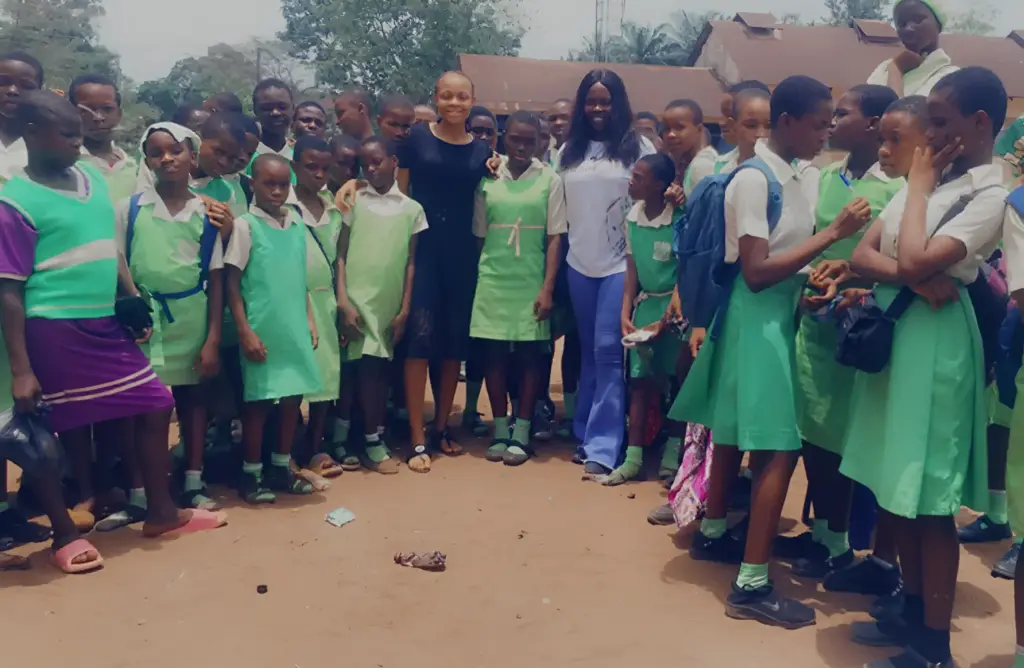
While women’s unemployment numbers skyrocket in Nigeria, empowering girls and women to pursue a career of self-employment is increasingly essential. An entrepreneurship ecosystem supporting women to start, grow and sustain their businesses is still sorely lacking in Nigeria. JUWEDI is working on using innovative solutions to increase access to today’s skills, including coding, graphic designers, content creators, and more.
That’s where web3 and the metaverse’s potential is most potent. JUWEDI’s mission is to help 200,000 women leverage the internet’s tool to overcome these mounting challenges and leapfrog the inequalities women face. It provides coaching and mentorship programs, development schemes, advocacy, communication, issues of gender equality, and more to help women from the classroom to the boardroom. Shares Judith: “It catalyzes the birth of women’s businesses and startups and fosters them to scale up, mature, and reach sustainability. It provides women with a supportive environment, services and a network that alleviates non-financial and f inancial barriers.”
The transformative power of JUWEDI is real: it has helped more than 60 businesses to start and helped tens of thousands of girls and women envision a better future for themselves and their communities.
Educating girls and women on web3 and its potential for change builds awareness of business innovations that can accelerate women’s development and impact the quality of life for women everywhere.