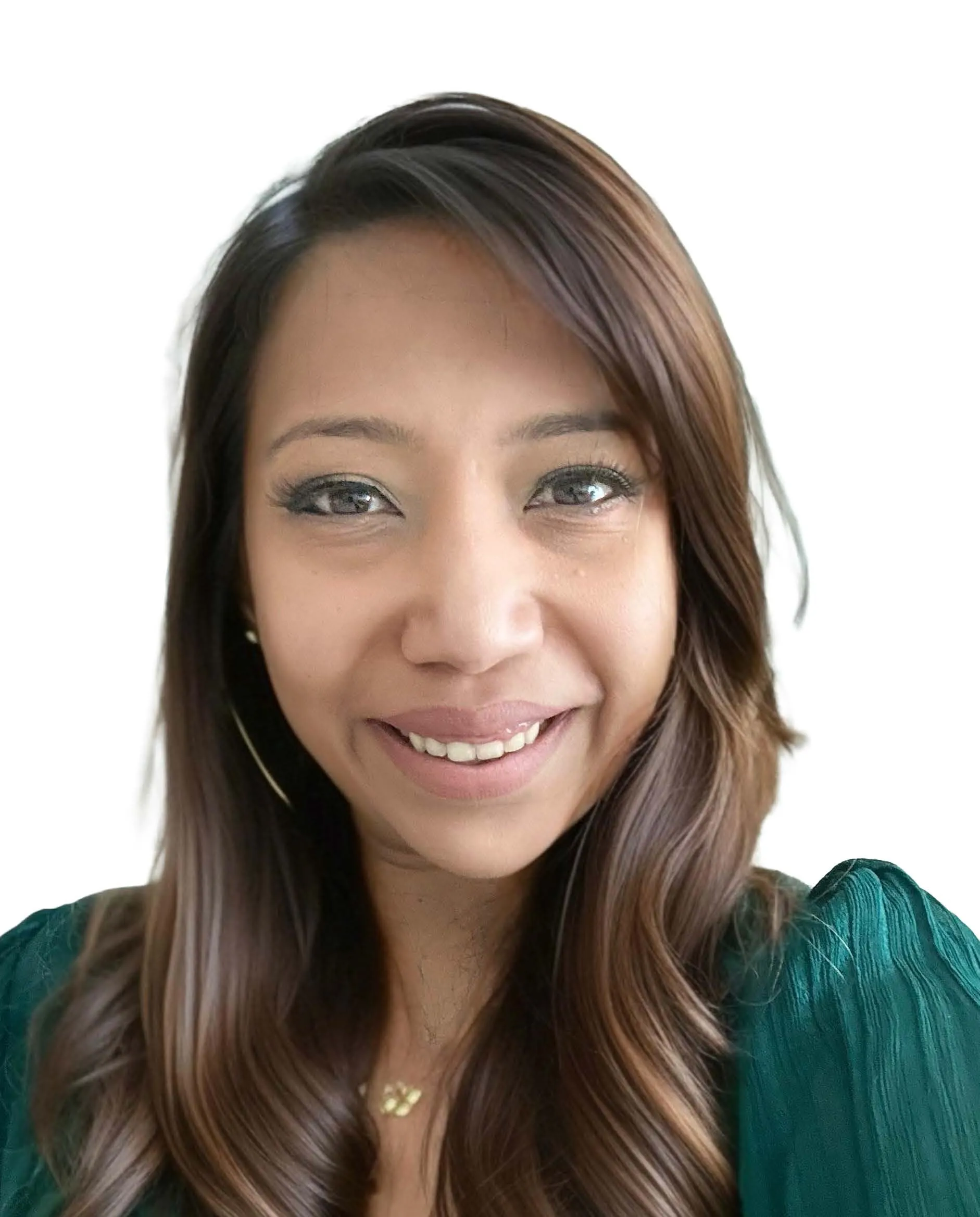

Long before Anna Marie Lopes began helping survivors of abuse rebuild their lives, she was finding her own way forward. Every step she now guides others through was once unfamiliar territory that she had to navigate herself, often without a map and always with the determination to believe that healing could become something more than survival.
“I learned that leaving abuse is only the beginning,” she says. “Survivors often receive support to become safe but very little guidance on how to become themselves again.” The realization stayed with her long after her own life began to stabilize.
Nothing about starting over happened all at once. Six years of domestic violence, narcissistic abuse, and spiritual abuse had changed far more than Anna’s circumstances. Escaping meant leaving behind everything familiar and arriving in a new country with little more than determination. Safety came first. Learning how to live again took much longer. Living with complex post-traumatic stress disorder, depression, and anxiety required learning how to trust herself again, how to quiet a nervous system that had remained on constant alert, and how to believe healing could extend beyond simply making it through another day.
“There was no neat turning point; there was just survival,” she reflects, “and then slow, stubborn recovery.”
As life gradually became more stable, one question refused to leave her alone. Why did conversations about abuse so often end once someone escaped? Countless survivors were expected to move forward while carrying invisible wounds that few people truly understood.
“What turned me into an advocate wasn’t some motivational moment,” she says. “It was realizing how little people understood about what abuse actually does to a person’s brain and body.”
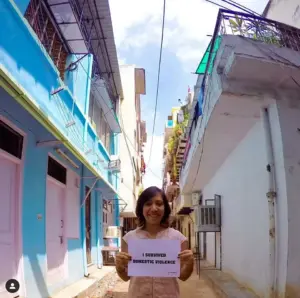
Helping other survivors began as volunteer work, long before Brave & Free became a reality. An online platform followed, reaching people searching for answers they had struggled to find elsewhere. The organization began as an Instagram page before growing into a global recovery platform supporting more than 100,000 survivors through coaching, education, workshops, community, and practical recovery resources designed to bridge the gap between crisis support and long-term healing.
“People kept showing up because they finally felt seen,” she says. “That was bigger than anything I imagined.”
As Brave & Free grew, Anna knew lived experience alone would not be enough. Professional training strengthened the work, although credibility earned through experience remained its foundation. Becoming an ICF-accredited coach, certified Mental Health First Aider, and founder of an international recovery community allowed Anna to combine evidence-informed practice with practical understanding.
Qualifications, however, were never the destination. “I didn’t want credentials on a wall,” she says. “Survivors deserve someone who knows what they’re talking about and what it actually feels like.”
“The biggest thing recovery taught me is that it’s not about becoming a new person,” she continues. “It’s about meeting the one who was always there underneath the survival strategies.”
Helping survivors understand what recovery really looks like has become central to Anna’s work. Through her organization, she helps people understand how trauma affects the nervous system, identity, relationships, and everyday life while replacing shame with practical knowledge, compassionate support, and honest dialogue.
Practical support sits at the center of that approach. “I don’t believe in toxic positivity,” she says. “I believe in telling the truth so clearly that someone else recognizes their own story in it and realizes they’re not alone.”
Watching women rediscover their confidence has reinforced what Anna believed from the beginning: recovery rarely changes only one life. Confidence begins to return, and relationships become healthier. Families and communities often feel the impact long before they realize where the change began.
“When one survivor reclaims their life,” she says, “families, workplaces, and communities shift too.”

The growing reach of Brave & Free soon attracted attention well beyond its community. Features in BBC and Gulf News, together with partnerships advancing trauma-informed care, expanded the platform’s reach, although recognition has never become the measure Anna uses to define success.
“Success is the message at midnight from a woman who says, ‘I left,’” she explains. “Success is someone finally realizing that what happened to them has a name. I’m not chasing follower counts. I’m building something that helps survivors feel less alone on the worst nights of their lives.”
Retreats, workshops, and evidence-informed recovery programs all form part of the next chapter for the organization, alongside continued advocacy for greater awareness of complex trauma and coercive control.
“I want shame around abuse to become unsustainable because enough people refuse to stay quiet,” she says. “I want survivors to be recognized as people who endured something extraordinary and deserve extraordinary support.”
Her advice for women building something meaningful comes without hesitation. “Stop waiting until you feel ready,” she says. “You won’t. Build the thing while you’re still scared. Confidence comes after you start, not before.”
If Brave & Free outlives her one day, Anna hopes it will never simply be remembered as an organization. She hopes it will be remembered for the women who found themselves again because someone finally helped them believe recovery was possible.
Every survivor who chooses healing over silence carries that work forward. In that way, Anna’s story no longer belongs only to her. It lives on in every woman who discovers that her future can be shaped by hope instead of fear.