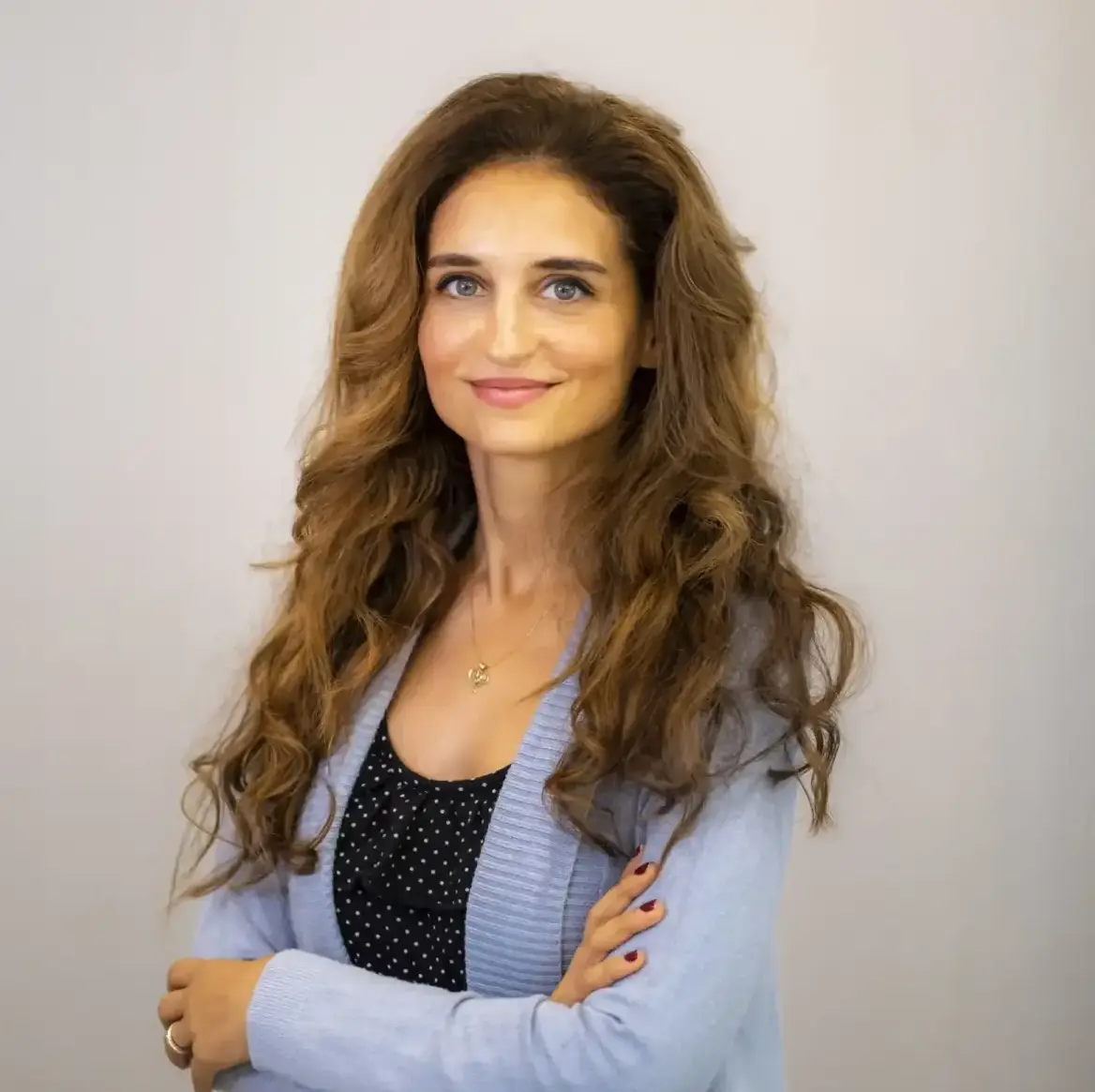


When Sara Hamdan laughs, it already tells you she’s a storyteller: warm, candid, and tinged with playful self-awareness. She often jokes that she writes “for work and for fun,” adding with a grin, “I’m cool, I swear.” Yet behind the humour is a woman who has built one of the region’s most compelling creative careers: a former banker who became a New York Times journalist, Google editor-in-chief, global managing editor at US tech VC Protocol Labs, an award-winning novelist, and a magnetic moderator whose presence energises stages from Harvard University to STEP Conference.
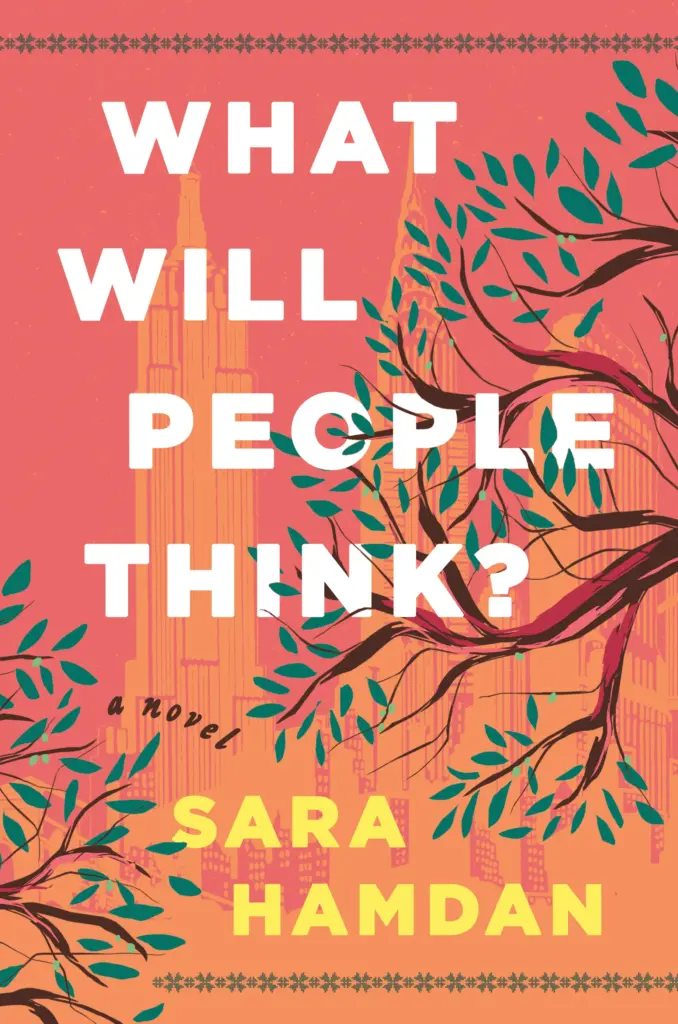
Today, she stands at a defining moment: the launch of her debut novel, What Will PeopleThink?, which secured her a landmark two-book deal with Holt – a historic achievement for an author based in the MENA region. Reflecting on the journey, she says: “It took a decade of rejections, revisions, and yes, more chocolate than I should admit. It has been long and deeply affirming.”
Her novel didn’t simply reach shelves – its parked global attention. It appeared on recommended reading lists from The New York Times, Forbes, Goodreads, and Yahoo, and became a finalist for Jimmy Fallon’s 2025 Book Club, culminating in the surreal moment when Fallon held it up on The Tonight Show. “Watching that clip felt unreal,” she says. “It was as if all the quiet years of hard work suddenly had a spotlight.”
Sara’s professional life began not in newsrooms but in finance. As a young banker at Merrill Lynch, she was surrounded by spreadsheets – yet always carried a notebook. “Stories were my constant,” she says. “I read and wrote whenever I could. It was a passion I couldn’t switch off.”
Eventually, she traded finance for journalism – a leap she describes as daunting and exhilarating. It was the right call. She soon became a contributor to The New York Times, covering culture, travel, business, and the people shaping the region. Her writing balanced global perspective with a distinctly MENA-rooted voice.
Google took notice, bringing her on as an editor and eventually elevating her to editor-in-chief for the region. She later expanded her editorial leadership globally at Protocol Labs. “Whether it’s tech, travel, or culture, I’m endlessly curious,” she says. “And I love meeting fascinating people along the way.”

Most recently, Sara’s stepped into an exciting new role: editor-in-chief of T: The New York Times Style Magazine MENA, a ttile dedicated to culture and luxury across the Arab world. The mission behind it resonates deeply with her. She sees the role not simply as editorial leadership but as a platform to amplify Arab creative voices on a global stage and spotlight talent across a region with artistic excellence.
“It feels incredibly meaningful,” she says. “This role aligns with everything I care about – storytelling, culture, and raising the visibility of Arab creatives.”
Long before the bestseller lists, it was just Sara and her laptop – rewriting scenes, reshaping characters, and persevering through uncertainty. The breakthrough came when an excerpt from What Will People Think? won a Netflix short story award. “That moment was a turning point,” she says. “It was the first time someone in the fiction world told me my voice mattered.”
Her manuscript was later selected for the Emirates Literature Foundation’s First Chapter Seddiqi Fellowship, giving her mentorship and visibility. “The fellowship was transformative” she says. “It proved that stories rooted in this region could resonate well beyond it.”
Then came the email that changed everything: Holt – publishers of literary giants including Hilary Mantel, Toni Morrison, and Mariah Carey – offered her a two-book deal. “It felt like stepping into a dream,” she says. “It was unprecedented for someone based in the region, and I felt truly proud.”
What Will People Think? blends humour, tenderness, and cultural nuance into a story familiar to anyone navigating expectations. “That phrase, ‘What will people think?’ is one so many of us grew up hearing,” she says. “I wanted to unpack it with compassion and wit.”
Readers from Dubai to New York have embraced the novel, confirming what Sarah as long believed: stories from this region carry universal truth. “We need more voices from the MENA region in global publishing,” she says. “Our experiences are rich, layered, surprising – and deserving of global space.”
Sara is an extrovert in the fullest sense – a writer energised by people. Beyond the page, she moderates conversations at major gatherings. “Moderating brings me so much joy,” she says. “I love creating space for meaningful, energising discussion.”
Her speaking engagements range from Women in Leadership and STEP to MIT Sloan Business Review, the 1 Billion Summit, and the Arab Conference at Harvard. She brings clarity, warmth, and a talent for making big ideas feel relatable.
Amid her multi-hyphenate career, Sara’s grounding force is her family. “Time with them means everything,” she says. She also delights in playing musical instruments – “enthusiastically amateur,” she jokes. The joy she carries into her work reflects a life balanced by love, ambition, and curiosity.
To young women pursuing creative paths, Sara offers advice shaped by her own long road: “Protect your voice,” she says. “Tell the story only you can tell. And don’t let rejection scare you – it’s part of finding your way.”
Her path is a testament to resilience, imagination, and belief. As she champions her debut and builds her next novel, she stands not only as a writer to watch, but as a woman expanding what’s possible for storytellers from the region.
“It’s been a long road,” she reflects. “But every step brought me here. And truly – I’m just getting started.”